
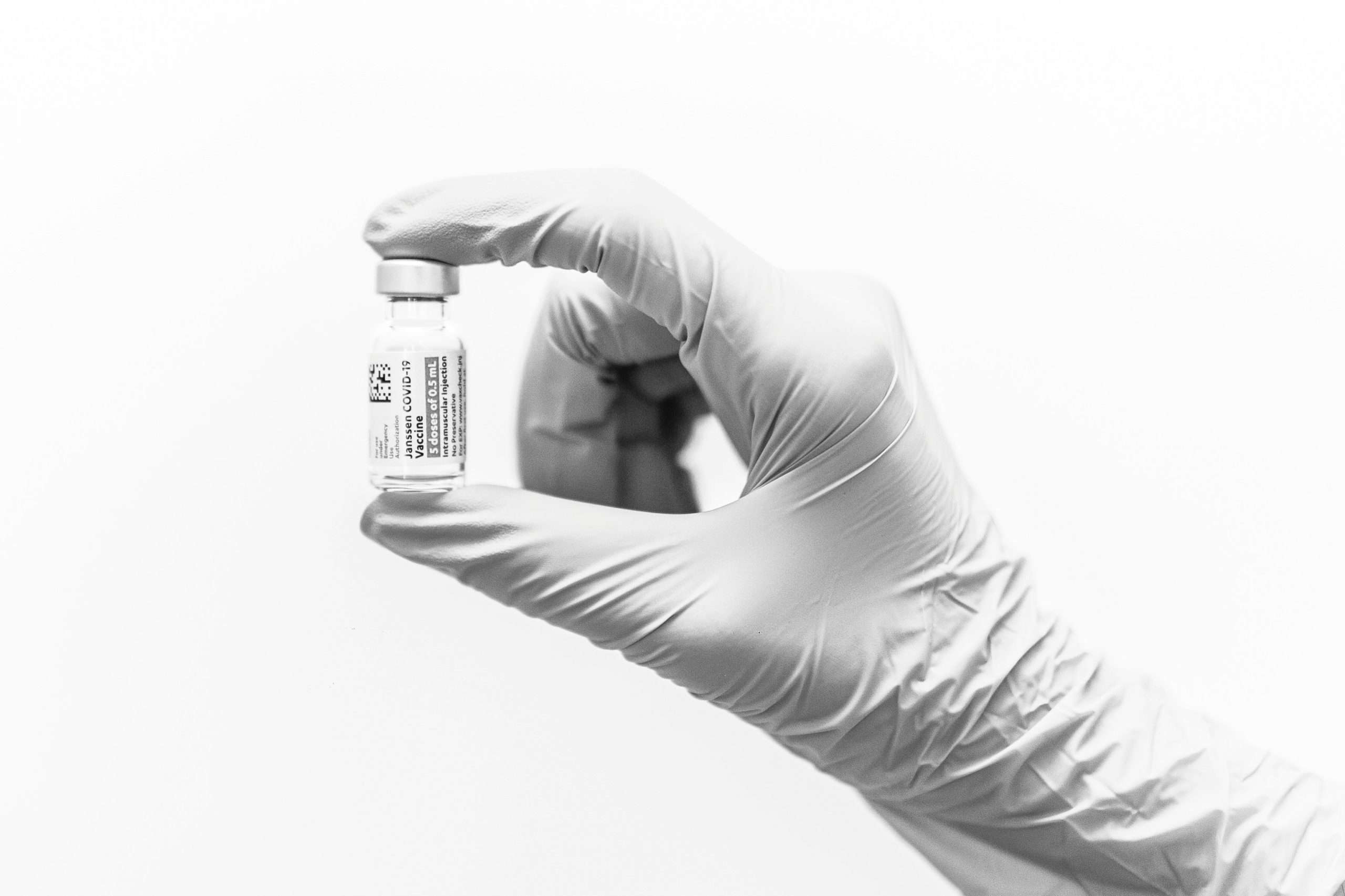
New research from Public First, commissioned by the Tony Blair Institute, sets out the economic case for protecting the UK’s domestic vaccine manufacturing base, and the price of failing to secure the full path from lab to jab in the next pandemic.
Using new supply-chain and labour-market analysis alongside survival modelling, we estimate that dialing down government spending on domestic influenza vaccine manufacturing in the lead up to and during a flu pandemic could cost the economy £5 billion when compared with a scenario where government supports in providing security and continuity for the UK’s domestic flu vaccine production and invests in preparedness. That loss reflects through avoidable deaths, deeper economic disruption, and greater strain on the NHS.
The downside is materially larger if the next crisis is driven by a novel pathogen. In a ‘Disease X’ scenario, reducing support for domestic vaccine capabilities relative to the COVID-19 baseline could mean almost 20,000 more deaths and £66 billion in additional costs to the Treasury, driven by adverse health outcomes, NHS pressure, and the economic consequences of lockdown.
The last pandemic also demonstrates the importance of timing: by mid-2021, a rapid vaccination campaign had helped prevent an estimated 130,000 deaths, 262,000 hospitalisations, and 24 million infections in England. Within this timeline, our modelling finds that each day’s delay to vaccine rollout is associated with 37,000 additional cases, and almost 5,000 more hospitalisations and 700 deaths.
Moreover, while government action is of paramount importance, wider geopolitics also matters: we find that in a Disease X scenario of a severity similar to COVID-19, government divestment from domestic capabilities increases the death toll by 23%, but with a protectionist US that prioritises safeguarding vaccine manufacturing components for Americans, this rises to 26%.
This is because vaccine production depends on complex cross-border supply chains – one estimate is that manufacturing a single vaccine requires 9,000 materials from 300 suppliers across 30 countries – and the UK imports around half of its key inputs, meaning vulnerability to export controls, bottlenecks, and market leverage in a crisis.
In COVID-19, the UK’s sustained investment into domestic capabilities – alongside a largely open and collaborative global approach to vaccine manufacturing – saved thousands of lives. But the disbanding of the Vaccine Taskforce, rising protectionism in key markets for vaccine manufacturing, and uncertainty surrounding the sustainability of existing capabilities at home mean that without action, the next pandemic is likely to find the UK less ready and more exposed.
You can read the full report [here].